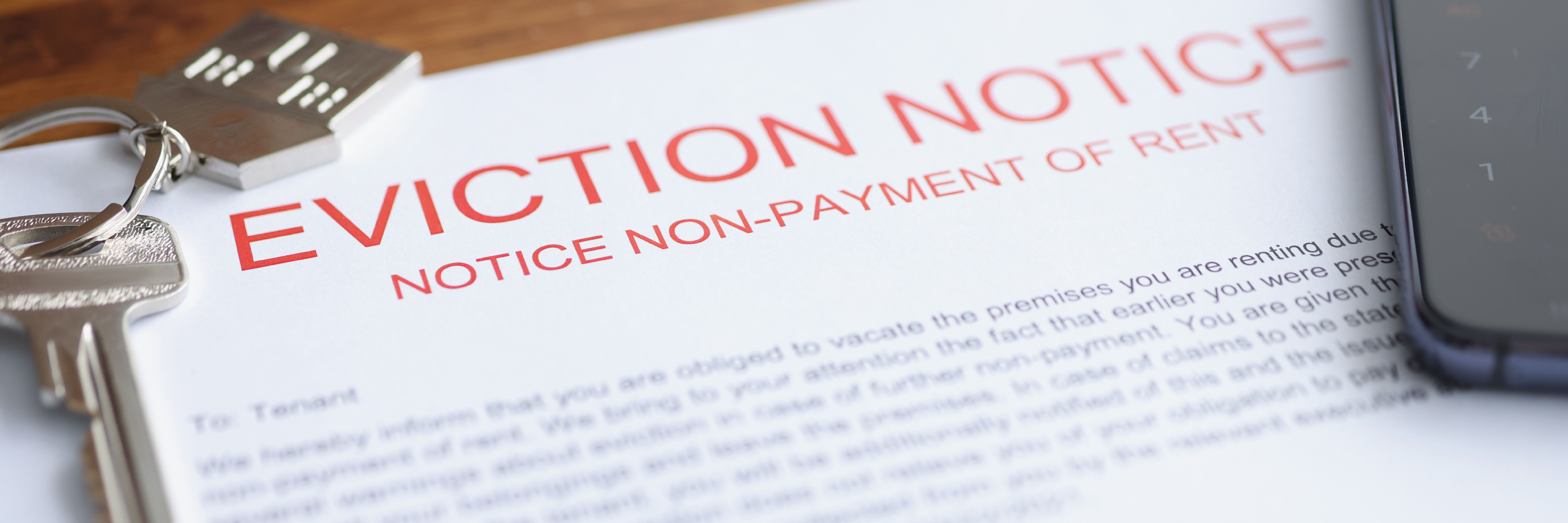
If you're a landlord in Nottingham looking to increase the rent on an existing tenancy, the process changed on 1st May 2026. Under the new rules in England, landlords generally need to use the Section 13 process, serve the correct Form 4A and give the tenant at least two months' notice.
Rent increases are also generally limited to once per year and can't take effect during the first year of a new tenancy. So, if you're reviewing rents across your portfolio in 2026, here's the process you need to know.

How do landlords increase rent in 2026?
For tenancies in England, the basic process is:
- Check when the tenancy started and when the rent was last increased.
- Review the current market rent for the property.
- Speak to the tenant about the proposed increase.
- Serve the correct Form 4A under Section 13.
- Give at least two months' notice before the new rent takes effect.
Even if your tenant agrees to the new rent, you should still follow the formal Section 13 process and don't assume an old rent review clause in the tenancy agreement is enough. Since the changes introduced on 1st May 2026, the statutory process is what matters.
How much can you increase the rent by?
There's no simple rule saying rent can increase by 5%, 10% or another fixed percentage. The proposed rent should reflect the open market rent for the property.
That's why I wouldn't automatically increase every property in a portfolio by the same percentage. Look at comparable properties, location, condition, specification and current tenant demand.
If a two-bedroom property in Nottingham is currently achieving £850 but genuinely comparable properties are letting at £950, that's useful evidence when reviewing the rent. If comparable properties are also achieving £850, adding another £100 simply because your costs have increased is much harder to justify.
Can a tenant challenge a rent increase?
Yes. If a tenant believes the proposed rent is above the open market rent, they can challenge it through the First-tier Tribunal, which can determine the market rent.
That's another reason rent reviews should be based on evidence rather than picking a number you'd simply like the property to achieve.
Should landlords increase rent every year?
Not necessarily. This is where I'd separate a rent review from a rent increase.
I think every property in a portfolio should have its rent reviewed annually. That doesn't mean it should automatically be increased annually.
A good tenant who pays on time, looks after the property and wants to stay has value. Equally, allowing a property to fall hundreds of pounds below market rent because nobody has reviewed it for five years isn't good portfolio management either.
I'd rather make smaller, sensible decisions regularly than suddenly realise a property is significantly behind the market.
An example for a Nottingham landlord
Say your Nottingham rental property is currently achieving £950 per month.
The tenancy is more than a year old, there hasn't been another rent increase within the last 12 months and comparable properties suggest the current market rent is around £1,025.
You could discuss the proposed £1,025 rent with your tenant and then formally serve Form 4A, giving them at least two months' notice before the new rent takes effect.
You'd then record the effective date so you know when the property can next be reviewed for an increase. It's a relatively straightforward process, but the paperwork and timings need to be right.
Rent reviews for Nottinghamshire landlords
At Amhurst Lettings, we manage single lets, HMOs and residential property portfolios across Nottinghamshire and surrounding areas.
For us, rent reviews aren't simply about trying to charge the highest rent possible. We look at what the property is currently achieving, comparable rental properties, local tenant demand and the existing tenancy to work out what the property should realistically be achieving.
The important thing for portfolio landlords is that rents aren't simply left untouched for years because nobody is keeping an eye on them. Review annually. Increase when it makes sense and make sure it's done properly.