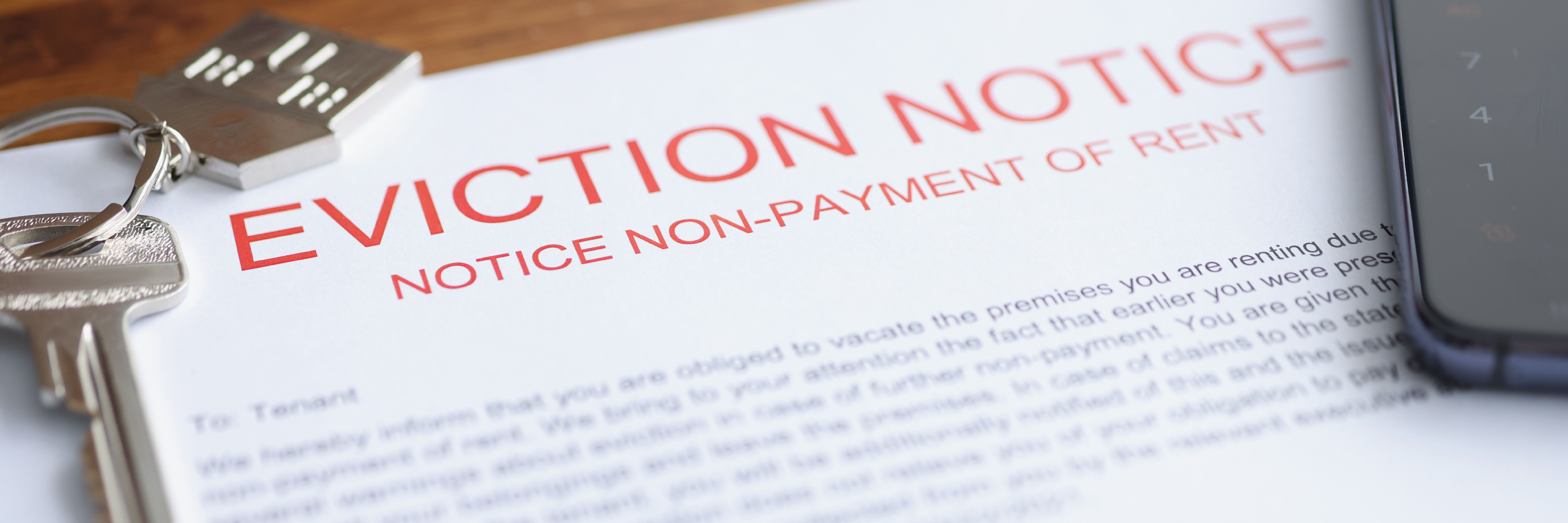
One of the biggest changes for landlords this year has been the move away from fixed-term ASTs. Since 1 May 2026, assured tenancies in England generally operate as rolling periodic tenancies rather than having a fixed end date. Existing assured shorthold tenancies also automatically became periodic on that date.
One of the questions we're now getting from landlords is:
If there's no fixed term anymore, how much notice does a tenant actually have to give?

What is a periodic tenancy?
A periodic tenancy continues on a rolling basis rather than ending on a set date.
For example, where rent is paid monthly, the tenancy will usually run month-to-month.
There's no longer a point where the tenant automatically reaches the end of a six or 12-month fixed term. The tenancy continues until the tenant ends it, both parties agree to end it, or the landlord legally regains possession.
For landlords with existing tenancies, there was nothing you needed to do to make this happen. Qualifying fixed-term ASTs automatically became periodic on 1 May 2026.
How much notice does a tenant have to give in 2026?
Under the new rules, the maximum notice period you can require from a tenant is two months. If the tenancy agreement doesn't specify a notice period, the tenant generally needs to give at least two months' notice.
However, a tenancy agreement can provide for a shorter notice period, and landlords and tenants can also agree in writing to end the tenancy earlier. This is particularly worth checking on tenancies that existed before 1 May 2026 because an existing shorter notice period may still apply.
Does the tenant have to give notice in writing?
Yes. A tenant's notice needs to be given in writing, which could include a letter, email or text. Landlords can't insist that tenants use one particular method or form to give their notice.
The notice also needs to end on a day when rent is due or the day before rent is due. So it's worth checking the dates rather than simply assuming that "two months from today” is automatically the correct tenancy end date.
Does the tenant still pay rent during their notice period?
Yes. The tenant remains responsible for the rent during their notice period, even if they physically move out earlier. However, you can agree to end the tenancy sooner and release them from that responsibility. If you do agree something different, get it in writing.
What if the tenant changes their mind?
Once valid notice has been given, the tenant can't simply decide to withdraw it.
They can ask to stay, but the landlord needs to agree to the notice being withdrawn. Again, that agreement should be in writing.
Can landlords give tenants two months' notice too?
The tenant notice rules and landlord possession rules are not the same thing. A landlord can't simply give a tenant two months' notice because they want the tenancy to end.
Section 21 was abolished on 1 May 2026. If a landlord wants their property back, they now generally need a valid Section 8 ground for possession, such as selling the property, moving into it, serious rent arrears or certain tenancy breaches. The notice period depends on the ground being used.
So don't treat a periodic tenancy as meaning either side can simply give two months' notice. The tenant generally can. The landlord needs a valid legal reason.
What does this mean for Nottingham landlords?
For most landlords, periodic tenancies aren't something to be worried about. They simply change how the tenancy is structured and how it eventually comes to an end. The important thing is having good systems around them.
For every property in a portfolio, I'd want to know when rent is due, what notice provisions apply, whether notice has been served correctly and exactly when the tenancy and rent liability end.
At Amhurst Lettings, we manage single lets, HMOs and residential property portfolios across Nottinghamshire, including managing the tenancy from move-in right through to notice, check-out and reletting because the legislation may have changed, but good property management still comes down to knowing exactly what's happening with every property.